
Tag: mental-health
-
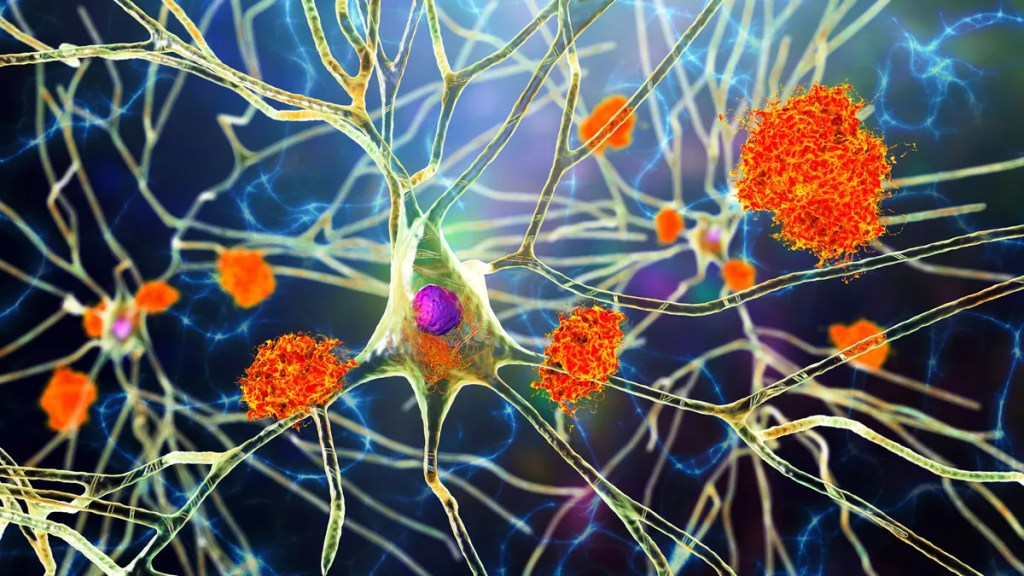
The Therapeutic Potential Following the Discovery of 200+ Misfolded Proteins.
Olivia Fincham Dinsdale – ofincham-dinsdale@elmwood.ca September 2nd, 2025 Edited by the YNPS Publications team. Abstract: This secondary research paper explores the therapeutic potential of modulating newly identified misfolded proteins in the treatment of Alzheimer’s disease and related dementias. This paper focuses on a study that was executed at Johns Hopkins on 07/11/2025 and suggests that its…
-

Before Memory Fades: The Quiet Power of Alzheimer’s Biomarkers
Srijani DattaGupta – srijani.dattagupta@gmail.com July 25th, 2025 Edited by the YNPS Publications team. Abstract Alzheimer’s disease often goes unnoticed until the brain has already sustained significant damage. That delay in diagnosis doesn’t just affect treatment—it also means people lose valuable time to understand what’s happening and make plans for the future. In recent years, researchers have…
-

The Challenges of Diagnosing Bipolar Disorder in Adolescents
Sidra Gebirrebbi September 1st, 2025 Edited by the YNPS Publications team. Abstract Bipolar disorder is a serious mood disorder that often begins in adolescence, yet is continuously misdiagnosed or undiagnosed in this population. One of the central challenges in identifying bipolar disorder in adolescents is its clinical similarity to other psychiatric conditions, especially attention-deficit/hyperactivity disorder…
-

Loneliness: A Public Health Crisis
Vaishnavi Kuchimanchi September 1st, 2025 Edited by the YNPS Publications team. Abstract Dr. Vivek H. Murthy found that loneliness can be as bad for your health as smoking 15 cigarettes a day. Loneliness is defined as “the distressing feeling of being alone or separated” by the National Institute on Aging. Oftentimes, it is written off…
-

How the COVID-19 Pandemic Affects Brain Development
Alexander Ahn September 1st, 2025 Edited by the YNPS Publications Team. Abstract The COVID-19 pandemic has disrupted nearly every aspect of daily life, including education, socialization, and healthcare. For children and adolescents, these disruptions coincided with critical periods of brain development. This paper discusses how pandemic-related stress and social isolation have affected neurodevelopmental outcomes. Research…
-

Modern Times and Rest: Sleep Quality Among Office Workers
Luzmy C. Paredes – luzmycamila.paredes@gmail.com August 4th, 2025 Edited by the YNPS Publications Team. —Abstract While not all office jobs uniformly influence sleep, a combination of environmental, behavioral, and occupational elements may affect sleep patterns. Poor workplace lighting, prolonged screen exposure, overtime work, elevated stress levels, and irregular daily routines are identified as possible contributors to…
-

Facial Mimicry and Social Connectedness: A Neuropsychological Exploration
Saanvi Talwar – saanvi2369@gmail.com August 4th, 2025 Edited by the YNPS Publications Team. Abstract Facial mimicry, or involuntary or voluntary imitation of another’s face, is a foundation of nonverbal social interaction. Long associated with the mirror neuron system (MNS), mimicry has been viewed as an innate, perception-driven motor response to facilitate the sharing of emotions.…
-
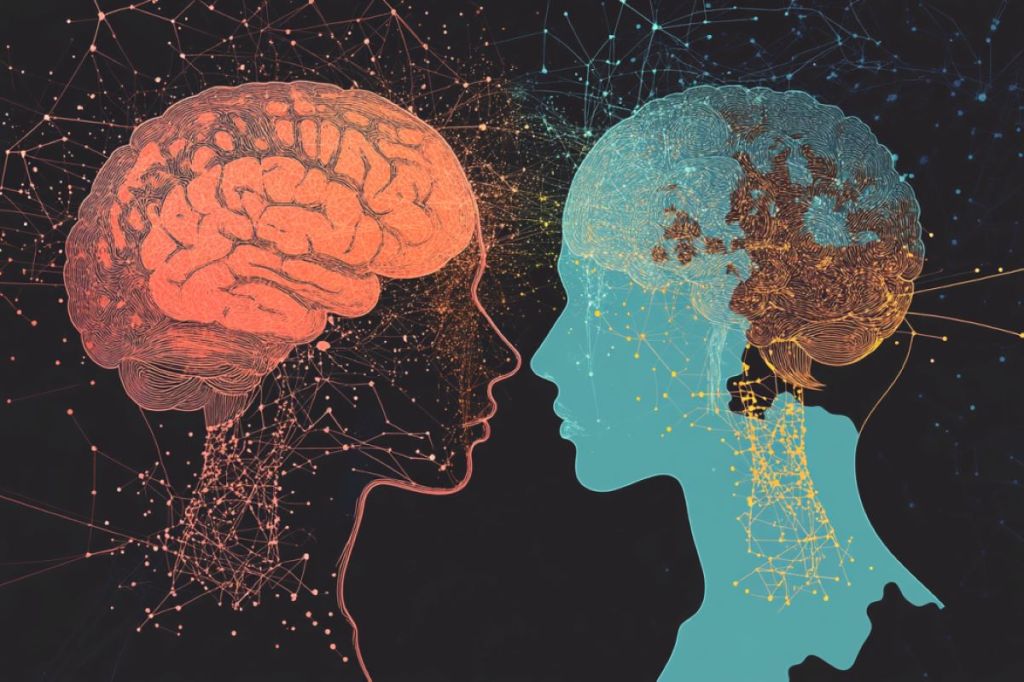
Sex Differences Within The Serotonin Pathway
Laura Cross July 27th, 2025 Edited by the YNPS Publications Team. Abstract The serotonin neurotransmitter system displays extensive sex differences that potentially underlie observed disparities in psychiatric disorder prevalence and treatment response between males and females. This comprehensive review analyzes sex differences upon observing different components of the serotonin pathway, including synthesis mechanisms, receptor expression,…
-
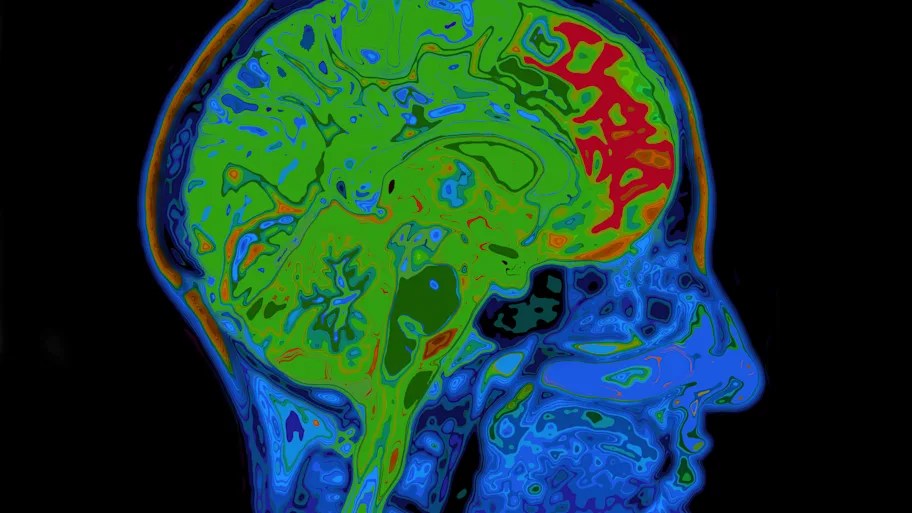
Addiction and Its Effect on the Brain: A Review of Structural and Functional Alterations in the Human Brain
Dabosmita Parial – dabosmita.parial07@gmail.com August 4th, 2025 Edited by the YNPS Publications Team. ABSTRACT Many studies and research have identified that addiction causes lasting changes to the brain structure and function, especially in areas related to impulse and inhibitory control, as well as the prefrontal cortex. This paper reviews a range of research investigating the…
-

How Autism and Social Anxiety Shape Emotion Recognition and Confidence
Saanvi Talwar – saanvi2369@gmail.com August 4th, 2025 Edited by the YNPS Publications Team. Abstract Facial emotion recognition is a basic component of human social cognition that enables individuals to deduce the affective state of another, predict intentions, and regulate social behavior in a way that is harmonious with this information. The integrity of this vital…
 Youth Neuropsychology Society