
Naphat Ananthanit – meipingananthanit@alyssasychan
September 19th, 2025
Edited by the YNPS Publications team.
Abstract
Objective: The primary goal of this review is to synthesize and clarify the interplay between psychological factors, especially attachment anxiety and neurobiological alterations, particularly within the default mode network (DMN), in adolescents with eating disorders (EDs). It aims to clarify how these factors influence eating disorder onset and outcomes, supporting integrated treatment approaches.
Method: The authors utilized databases including PubMed, Google Scholar, JSTOR, and SAGE Journals. A combination of keywords such as “adolescent eating disorders,” “attachment anxiety,” “default mode network,” and “resting-state fMRI” was applied to ensure coverage of neurobiological and psychosocial domains.
Inclusion criteria – empirical and review papers published between 2012 and 2024, resulting in the selection of 15 primary sources. These included neuroimaging investigations employing resting-state fMRI, meta-analyses of attachment patterns in EDs, and studies focusing on ethical and developmental considerations relevant to adolescent populations.
Result: The current review consistently demonstrated that adolescents with eating disorders report increased attachment anxiety compared to peers. Neuroimaging findings revealed abnormal DMN connectivity, with pronounced alterations in brain regions such as the medial prefrontal cortex and posterior cingulate cortex, which are essential for self-reflection and emotional regulation. The coexistence of insecure attachment and disrupted DMN functioning was found to foster maladaptive self-focus, difficulties in emotional management, and chronic ED symptoms. Importantly, the review highlights evidence that DMN connectivity disruptions can persist beyond initial treatment and recovery, suggesting these neural patterns may constitute enduring vulnerabilities or trait markers in this population.
Conclusions: Findings underscore the necessity of clinical interventions that address both attachment insecurity and neural network dysfunction. The evidence supports integrated biopsychosocial approaches, considering how emotional, relational, and neurological factors intersect. Ethical considerations are stressed, given the particular sensitivities inherent to working with adolescent ED patients. This review is relevant for scholars and practitioners investigating the neuropsychological and developmental underpinnings of adolescent eating disorders, as well as those aiming to develop ethically sound, personalized interventions. Keywords: adolescent eating disorders, default mode network, attachment anxiety, resting-state fMRI, neurodevelopment, biopsychosocial model.
1. Introduction to Eating Disorders in Adolescence
1.1 Overview and Prevalence of Eating Disorders in Adolescents
Eating disorders (EDs) are a complex group of psychiatric conditions mostly characterized by disturbances in eating behavior and an obsession with body weight or shape. In adolescents, these disorders typically show as anorexia nervosa (AN), bulimia nervosa (BN), and binge eating disorder (BED), each presenting unique clinical challenges (Jamieson et al., 2024). Anorexia nervosa involves an extreme fear of weight gain, restrictive eating, and often dangerously low body weight. Bulimia nervosa is distinguished by cycles of binge eating followed by compensatory behaviors such as purging, whereas binge eating disorder involves recurrent episodes of uncontrolled eating without compensatory behaviors. (Jamieson et al., 2024) EDs often occur during adolescence, a critical developmental window characterized by physiological, psychological, and social transitions. This period is marked by heightened vulnerability to mental health disorders, including EDs, due to changes in neurodevelopment and increasing social pressures regarding appearance. Epidemiological data show that eating disorders are more common in adolescent females; however, males are also affected. (Jewell et al., 2023) Research from NYU Langone Health reports that EDs commonly begin between ages 12 and 25, with adolescence being a typical onset phase, emphasizing the importance of early detection and intervention. (Jamieson et al., 2024) Moreover, epidemiological trends suggest that many factors, including genetic predispositions, cultural standards, and psychological traits such as perfectionism and anxiety, influence the prevalence and severity of ED symptoms. Understanding these factors within adolescent populations is vital for tailoring effective prevention and treatment strategies. (Jewell et al., 2023)
1.2 Significance of Studying Neural and Attachment Factors
The multifaceted nature of eating disorders involves integrative approaches that consider both neurobiological and psychosocial underpinnings. The evidence of neuroimaging research has increased, and that leads to insights into the role of brain circuits implicated in self-regulation, reward processing, and cognitive control, which appear disrupted in individuals with EDs. These findings highlight the need to understand how structural and functional alterations in neural networks contribute to the vulnerability and maintenance of eating pathology. (“Attachment Patterns in Eating Disorders: Past in the Present,” 2000) Simultaneously, developmental psychology emphasizes the centrality of attachment patterns formed early in life and their ongoing influence on emotional regulation, interpersonal relationships, and coping strategies. Attachment insecurity, particularly attachment anxiety, has been implicated as a key psychosocial risk factor in the development and perpetuation of eating disorders, potentially impacting emotional dysregulation and maladaptive behaviors. (Jewell et al., 2023) The Bridge between the neurobiological and attachment frameworks is therefore essential. Integrating evidence from brain imaging with attachment theory provides a comprehensive understanding of adolescent EDs that accounts for underlying neural substrates alongside relational and emotional dynamics. (Gander et al., 2015) This integrative perspective is critical for advancing both research and clinical practice, improving the precision and effectiveness of interventions targeting adolescents with eating disorders. (“Attachment Patterns in Eating Disorders: Past in the Present,” 2000)
1.3 Purpose and Scope of the Review
This review aims to synthesize existing research on the interplay between attachment anxiety and default mode network (DMN) connectivity, focusing specifically on adolescent populations with
eating disorders. It will explore the theoretical and empirical foundations of attachment anxiety, elaborate on the functioning and clinical significance of the DMN, and detail how resting-state functional connectivity studies illuminate alterations in brain networks relevant to eating disorders. Specific aims include examining the neurobiological correlates of attachment anxiety as they pertain to DMN functioning, discussing developmental aspects wherein adolescence serves as a critical period for these interactions, and addressing methodological approaches and ethical considerations informing this research area. Finally, the review will articulate clinical implications and propose directions for future studies seeking to enhance therapeutic outcomes through integrative biopsychosocial models addressing both attachment and neural mechanisms. (Jewell et al., 2023)
2. Methodology
A systematic literature search was conducted through PubMed, Google Scholar, JSTOR, and SAGE Journals using keywords “adolescent eating disorders,” “default mode network,” “attachment anxiety,” “resting-state fMRI,” and “functional connectivity,” among others. Fifteen peer-reviewed empirical studies and meta-analyses published between 2012 and 2024 formed the core dataset. These included quantitative neuroimaging studies (six), attachment assessments via validated scales and interviews (four), systematic reviews or meta-analyses (three), and papers addressing ethical and developmental issues in adolescent EDs (two) (Billy, 2024; Jewell et al., 2023; Scaife et al., 2017)
Inclusion criteria required adolescent clinical populations diagnosed with EDs, assessments of anxious attachment, and resting-state functional connectivity evaluations focused on the DMN. Studies with purely adult samples or lacking empirical data relevant to the intersection of attachment and brain connectivity were excluded. All studies reported appropriate ethical approvals, including informed assent and guardian consent for minor participants.
3. Attachment Anxiety: Definitions and Theoretical Background
3.1 Attachment Theory and Attachment Styles
Attachment theory, pioneered by Bowlby (Bowlby, 1979), posits that early interactions with caregivers shape individuals’ internal working models of self and others, which in turn influence emotional regulation, interpersonal behavior, and vulnerability to psychopathology. Attachment styles are generally classified into secure, anxious (also termed preoccupied), avoidant (dismissive), and disorganized categories, each characterized by distinctive patterns of relating and emotion regulation. (“Attachment Patterns in Eating Disorders: Past in the Present,” 2000) Securely attached individuals typically develop a stable sense of self-worth and trust in relationships, whereas insecure attachments, particularly anxious attachment, involve heightened fears of abandonment, excessive need for reassurance, and emotional hyperreactivity. Disorganized attachment further reflects contradictory and disoriented strategies often linked to traumatic or inconsistent caregiving. These attachment patterns can be quantified through clinical interviews (e.g., Adult Attachment Interview), self-report measures, or observational methods, each with distinct reliability profiles. (Gander et al., 2015) Neuroscientific research has begun to identify neural correlates associated with these attachment styles, including differences in limbic system activation, prefrontal regulation, and connectivity patterns involving the default mode network, and the latter being crucial for self-referential thought and social cognition. (“Attachment Patterns in Eating Disorders: Past in the Present,” 2000) Understanding these
Neural underpinnings help elucidate how attachment-related affective processing deficits might contribute to psychopathology, including eating disorders.
3.2 Characteristics of Anxious Attachment
Individuals with anxious attachment style exhibit behavioral manifestations such as hypervigilance to relational cues, excessive worry about rejection, and difficulties in emotional self-regulation. These characteristics impact interpersonal functioning by promoting dependency, conflictual communication, and heightened sensitivity to threat cues, often resulting in maladaptive coping strategies. (Keenan-Miller, 2023) The emotional landscape of anxious attachment is often marked by heightened anxiety, rumination, and difficulty managing negative affect states, which may predispose to or exacerbate psychopathologies. (“Attachment Patterns in Eating Disorders: Past in the Present,” 2000) Neurobiologically, anxious attachment is associated with altered activity and connectivity in regions implicated in emotional regulation, including heightened amygdala responsiveness and disruptions in the medial prefrontal cortex and anterior cingulate cortex, key hubs of the default mode network. These alterations reflect increased self-focus and rumination, potentially contributing to persistent negative thoughts and emotional dysregulation. (Gander et al., 2015) Such patterns lend biological plausibility to the clinical observations of anxious attachment as a risk factor for disorders characterized by affective instability.
3.3 Relevance of Attachment Anxiety to Eating Disorders
Empirical research consistently indicated that adolescents and adults with eating disorders exhibit elevated rates of attachment insecurity, particularly anxious attachment. This attachment pattern contributes to the development and maintenance of ED symptomatology by undermining emotional regulation and fostering maladaptive coping behaviors, including restrictive or binge-type eating. (Jewell et al., 2023) For example, anxious attachment promotes reliance on external validation and control, which may translate into controlling food intake or body image as a compensatory mechanism for relational insecurity. Furthermore, attachment-related dysregulation is a recognized vulnerability factor in EDs. The poor tolerance of distress and heightened need for reassurance characteristic of anxious attachment can lead to excessive focus on body shape and weight, serving as coping responses to psychological distress. (“Attachment Patterns in Eating Disorders: Past in the Present,” 2000) This relational-emotional framework aligns with psychological models of ED behavior while also complementing neurobiological models, highlighting the multidimensional nature of these disorders.
4. The Default Mode Network: Function and Clinical Significance
4.1 Anatomy and Functioning of the Default Mode Network
The default mode network (DMN) is a set of interconnected brain regions that remain active during rest and are engaged in self-referential and introspective cognitive processes. Key DMN nodes include the medial prefrontal cortex (mPFC), posterior cingulate cortex (PCC), and inferior parietal lobule, with additional contributions from the hippocampus and lateral temporal cortex. (Sudo et al., 2024) These regions underpin functions such as autobiographical memory retrieval, theory of mind, and evaluation of internal emotional states. The DMN plays a pivotal role in social cognition, facilitating understanding of self and others. Disruptions in DMN connectivity have been implicated in various psychiatric conditions characterized by impaired self-processing and emotional regulation, including depression, anxiety disorders, and eating disorders. (Gander et al., 2015) Its integrative function between cognitive and affective domains makes the DMN a critical target for studying neuropsychiatric vulnerabilities.

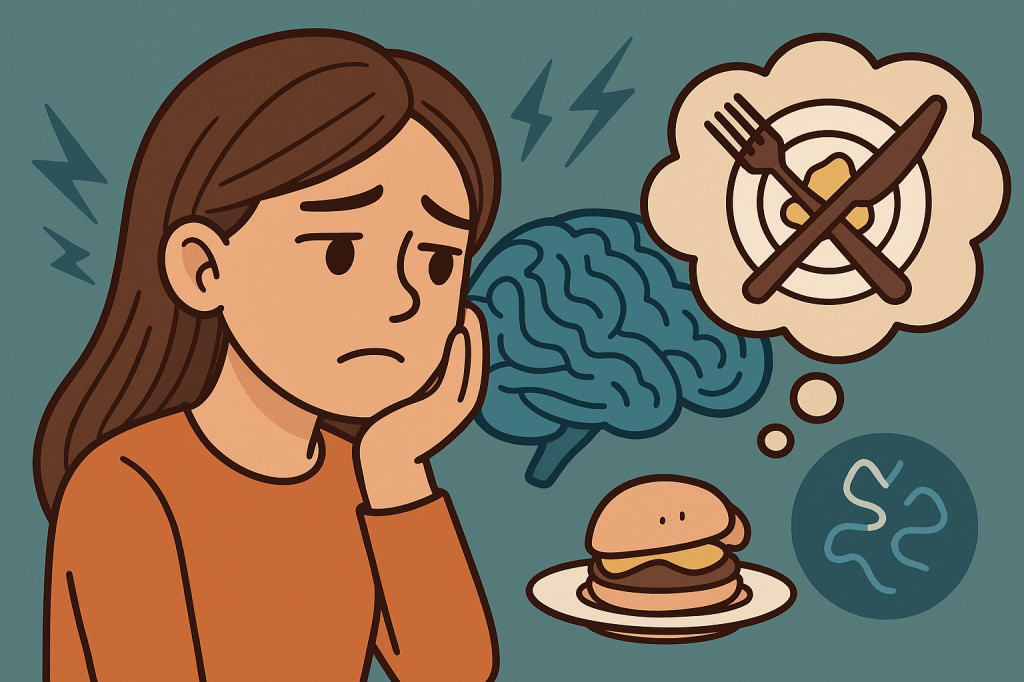
Figure 1. Interaction of attachment anxiety and DMN dysfunction leading to persistent ED symptoms.
4.2 DMN Connectivity in Healthy Adolescents
During adolescence, the DMN undergoes significant developmental changes, reflecting both functional maturation and structural remodeling (Myrvang et al., 2021). These neural adjustments correspond with improvements in self-awareness, social cognition, and emotion regulation abilities critical for navigating complex social environments. (Gupta et al., 2022) Studies reveal that DMN connectivity strengthens and becomes more refined throughout adolescence, with increased segregation from task-positive networks and more efficient intra-network communication. (Sudo et al., 2024) Normal variations in resting-state DMN connectivity have been linked to individual differences in cognitive ability and emotional regulation capacities, highlighting its role in healthy development. (Sudo et al., 2024) These developmental trajectories are crucial for establishing normative baselines against which pathological alterations can be identified.
4.3 Clinical Relevance of DMN Alterations
Alterations in DMN connectivity are increasingly recognized as neurobiological signatures of various psychiatric disorders. In anxiety and mood disorders, abnormal DMN activity is associated with excessive self-focus and ruminative thinking, contributing to symptom persistence. (Gupta et al., 2022) Obsessive-compulsive disorder and eating disorders further exemplify conditions wherein DMN dysfunction may impair self-referential processing and emotional regulation. (Jamieson et al., 2024) In eating disorders, particularly anorexia nervosa, DMN alterations have emerged as a core neurobiological feature linked to distorted body image, cognitive control deficits, and affective disturbances. These abnormalities may underpin the persistent pathological thoughts and behaviors characteristic of these disorders. (Sudo et al., 2024) Recognizing DMN involvement bridges clinical and neuroscientific perspectives, supporting targeted interventions that address both neural and psychological mechanisms.
5. Resting-State Functional Connectivity in Adolescents with Eating Disorders
5.1 Overview of Resting-State fMRI Studies in Eating Disorders
Resting-state functional magnetic resonance imaging (rs-fMRI) allows investigation of spontaneous brain activity patterns by measuring blood-oxygen-level-dependent (BOLD) signal fluctuations. This non-invasive method elucidates functional connectivity within and between brain networks without task demands, revealing intrinsic neural organization. (Chen et al., 2021) In adolescent eating disorder populations, rs-fMRI studies have highlighted widespread changes in functional connectivity. These include alterations in networks related to cognitive control, reward processing, and the DMN. Research often shows decreased intra-network coherence and aberrant inter-network interactions correlating with symptom severity and clinical phenotypes. (Gaudio et al., 2015) Such findings provide neurobiological insights into the complex symptomatology and pave the way for biomarker discovery.
5.2 Alterations in Default Mode Network Connectivity in Adolescent AN
The default mode network demonstrates notable functional connectivity changes in adolescents with anorexia nervosa. Several studies have reported both increased and decreased connectivity within DMN nodes during the acute illness phase, implicating dysregulated self-referential processing and emotional regulation. (Scaife et al., 2017) Moreover, these DMN abnormalities are often correlated with clinical features such as anxiety, body image distortion, and symptom severity. Longitudinal studies further show that some connectivity alterations persist into recovery, suggesting trait-like neural markers or neuroplastic adaptations. (Myrvang et al., 2021) The disrupted longitudinal restoration of brain connectivity during weight normalization illustrates the complex interplay between physiological and neural recovery processes. (Kaufmann et al., 2023)
5.3 DMN Connectivity in Broader Eating Disorder Spectrum
While anorexia nervosa has dominated DMN research, emerging studies reveal altered resting-state connectivity across other eating disorder subtypes, including bulimia nervosa and binge eating disorder. These alterations often involve networks responsible for salience detection, cognitive control, and self-processing, with DMN disruption contributing to difficulties in emotional regulation and impulse control. (Sudo et al., 2024) Comparative evidence suggests variations in the pattern and extent of DMN connectivity alterations across disorders, reflecting differences in symptom profiles and underlying pathophysiology. For example, bulimic-type disorders may show greater impairments in reward-related networks, with secondary effects on DMN integration. (Stopyra et al., 2019) These patterns underscore the importance of viewing EDs along a spectrum with shared and distinct neural substrates.

Figure 2. Proposed pathway of default mode network (DMN) disruptions in adolescents with eating disorders. Weakened medial prefrontal cortex–posterior cingulate cortex (mPFC–PCC) connectivity and reduced PCC–hippocampus coherence contribute to abnormal cross-talk with control networks, leading to emotional dysregulation, poor impulse control, and ultimately persistent ED symptoms.
6. Interactions Between Attachment Anxiety and DMN Connectivity
6.1 Neurobiological Correlates of Attachment Anxiety in Adolescents
Attachment anxiety is linked with distinct neurobiological patterns involving key brain areas within and beyond the DMN. Heightened connectivity and activity in the medial prefrontal cortex and anterior cingulate cortex are associated with increased self-referential and affective processing seen in individuals with anxious attachment. (“Attachment Patterns in Eating Disorders: Past in the Present,” 2000) These neural markers reflect the neurocognitive tendency of anxious individuals to engage in ruminative and hypervigilant processing of social and emotional information, contributing to affect regulation difficulties. The overlap with DMN hubs highlights the network’s role in mediating attachment-related cognitive-emotional processes during adolescence, a sensitive developmental period. (Gander et al., 2015)
6.2 Attachment Anxiety Effects on DMN in Eating Disorder Populations
Theoretical models propose that anxious attachment exacerbates DMN alterations in eating disorder populations by intensifying maladaptive self-focus and rumination on body image and interpersonal concerns. Empirical data demonstrate that adolescents with EDs and elevated attachment anxiety show amplified DMN dysconnectivity, particularly in regions subserving self-related thoughts and emotional regulation. (Jewell et al., 2023) This interaction may result in a cyclic exacerbation where attachment insecurity fosters excessive internal focus, leading to emotional distress, which in turn destabilizes neural networks such as the DMN. Such dynamics may contribute to the maintenance of ED symptoms and complicate treatment. Recognizing the modulatory role of attachment anxiety on DMN functioning offers avenues for integrative interventions targeting both psychological and neural mechanisms. (Sudo et al., 2024)
6.3 Impact on Clinical Presentation and Symptomatology
The combined influence of attachment anxiety and altered DMN connectivity manifests clinically as heightened anxiety, increased ruminative tendencies, and exacerbated ED symptomatology (Jewell et al., 2023; “Attachment Patterns in Eating Disorders: Past in the Present,” 2000; Myrvang et al., 2021). Affective dysregulation related to insecure attachment complicates cognitive distortions around body image and feeding behaviors, reinforcing pathological eating patterns. (“Attachment Patterns in Eating Disorders: Past in the Present,” 2000) This interplay can also undermine therapeutic responsiveness by impairing trust, increasing sensitivity to perceived rejection, and hindering emotion regulation strategies. Awareness of these mechanistic links supports person-centered care that tailors interventions to address attachment insecurities alongside neurobiological factors to enhance clinical outcomes in adolescent ED patients. (Jewell et al., 2023)
7. Developmental Considerations: Adolescence as a Critical Period
7.1 Brain Maturation and DMN Development in Adolescence
Adolescence entails significant neurodevelopment characterized by remodeling of cortical thickness, synaptic pruning, and refinement of neural networks, including the DMN. These changes facilitate improved cognitive-emotional integration and social cognition critical for mature self-identity formation. (Gupta et al., 2022) Altered DMN maturation processes, as observed in adolescents with anorexia nervosa, may disrupt these developmental trajectories, contributing to the emergence of psychopathology. For instance, impaired connectivity between DMN hubs such as the amygdala and hippocampus correlates with dysfunctional emotional regulation and cognitive control in ED patients. (Gaudio et al., 2015) Understanding these maturational patterns informs timing and targets for interventions during this vulnerable window. (Sudo et al., 2024)
7.2 Development of Attachment Patterns During Adolescence
Attachment styles are not fixed but can evolve through adolescence due to environmental influences like family dynamics, peer relationships, and trauma exposure. Anxious attachment may become more pronounced or ameliorated depending on relational experiences during this formative period. (Jewell et al., 2023) These shifting attachment representations modulate adolescents’ coping and interpersonal skills, affecting emotional regulation. Insecure attachment during adolescence increases susceptibility to various mental health issues, including eating disorders, by hampering adaptive responses to stress and relational challenges. (Keenan-Miller, 2023) This dynamic interplay underscores the need to incorporate developmental perspectives in both research and treatment.
7.3 Interaction of Neurodevelopment and Attachment in ED Onset
Atypical DMN maturation and insecure attachment patterns conjoin to elevate risk for eating disorder onset through several psychological and neurobiological mechanisms. The convergence of disrupted brain network development and affective dysregulation linked to attachment insecurity creates a critical risk landscape during adolescence. (Scaife et al., 2017) Consequently, ED symptoms often emerge concomitant with or as maladaptive strategies to cope with these vulnerabilities. Early intervention during adolescence capitalizes on neuroplasticity and potential reorganization of attachment models, offering opportunities to mitigate longstanding morbidity. (“Attachment Patterns in Eating Disorders: Past in the Present,” 2000) Integration of neural and psychosocial markers enhances identification of high-risk individuals and informs personalized prevention efforts. (Sudo et al., 2024)
8. Methodological Approaches to Studying Attachment and DMN in EDs
8.1 Neuroimaging Techniques and Resting-State Functional Connectivity
Resting-state fMRI has now become a key tool to investigate DMN connectivity patterns in clinical populations, benefiting from its task-free nature, which is suitable for adolescent subjects. (Chen et al., 2021) Analytical approaches such as seed-based correlation, independent component analysis, and graph theory metrics enable examination of intra- and inter-network connectivity. (Scaife et al., 2017) Challenges include controlling for motion artifacts prevalent in adolescent imaging, accounting for clinical heterogeneity, and integrating multimodal data. Combining neuroimaging with detailed clinical assessments of attachment and symptom profiles enhances understanding of underlying mechanisms. (Gaudio et al., 2015)
8.2 Measurement of Attachment Anxiety
Assessing attachment anxiety in adolescents employs self-report instruments such as the Experiences in Close Relationships Scale alongside structured interviews offering rich qualitative data. (Jewell et al., 2023) Validity and reliability of these tools vary with age and developmental status, necessitating multi-method approaches for robustness. Integration of attachment measures with neurobiological data is imperative for elucidating brain-behavior relationships. Advanced statistical models, such as mediation and moderation analyses, facilitate the investigation of the role attachment anxiety plays in modulating DMN connectivity and ED symptomatology. (Gander et al., 2015)
8.3 Limitations and Gaps in Current Research
Despite advances, limitations persist including small sample sizes reducing generalizability, methodological heterogeneity hindering cross-study comparisons, and scarcity of longitudinal designs tracking developmental trajectories. (Gupta et al., 2022) Furthermore, few studies consider the full spectrum of eating disorders and diverse attachment profiles, restricting comprehensive understanding. There is an urgent need for multimodal, integrative research combining neuroimaging, attachment assessment, and clinical symptomatology in large adolescent cohorts. Addressing these gaps will clarify causal pathways and aid in designing targeted interventions. (Jewell et al., 2023)
9. Clinical Implications and Future Directions
9.1 Integrating Attachment and Neurobiological Insights in Treatment
Therapeutic interventions targeting attachment insecurity, particularly anxious attachment, alongside efforts to modulate DMN activity via psychotherapy, often cognitive-behavioral or mentalization-based, and emerging neuromodulation techniques which hold promise for improving outcomes. (“Attachment Patterns in Eating Disorders: Past in the Present,” 2000) Holistic treatment models that combine psychosocial and neurobiological perspectives enhance patient engagement, emotional regulation, and reduce relapse risk. Such integration represents a frontier in adolescent ED treatment. (Scaife et al., 2017)
9.2 Potential Biomarkers and Predictors of Treatment Response
DMN connectivity patterns and attachment anxiety levels may serve as biomarkers indicating illness severity and treatment responsiveness. Identifying these markers facilitates personalized treatment plans and early intervention strategies tailored to individual neuropsychological profiles. (Chen et al., 2021) This precision medicine approach may improve prognosis by matching interventions to patients’ specific neurobiological and attachment-related needs. (Sudo et al., 2024)
9.3 Recommendations for Future Research
Future work should prioritize longitudinal, multimodal studies tracking attachment and DMN connectivity across developmental stages and diverse ED subtypes. Ethical frameworks must guide research involving vulnerable adolescent populations to ensure rigor and participant welfare. (Jewell et al., 2023) Expanding sample diversity and employing integrated analytic methods will advance understanding of risk mechanisms and treatment innovations. (Gupta et al., 2022) Collaborative, interdisciplinary research is essential to propel the field forward.
10. Discussion
The present review synthesizes evidence demonstrating that attachment anxiety and altered default mode network (DMN) connectivity jointly shape the clinical landscape of eating disorders in adolescents. Consistent findings indicate that youth with EDs are more likely to exhibit anxious attachment styles, characterized by heightened fear of abandonment and poor emotional regulation, compared to peers without eating disorders. (Jewell et al., 2023) This psychological vulnerability is paralleled by disruptions in DMN connectivity, particularly within the medial prefrontal cortex and posterior cingulate cortex brain regions integral to self-reflection, emotion regulation, and the maintenance of personal identity. (Gander et al., 2015)
Crucially, the interaction between attachment anxiety and DMN dysconnectivity appears to worsen the severity and chronicity of ED symptoms in this population. Evidence suggests that attachment anxiety increases rumination and maladaptive self-focus, leading to rigid, negative beliefs about body image and social worth. (Tasca, 2018) Such cognitive-emotional cycles are maintained neurobiologically by aberrant DMN activity, which may persist even after clinical improvement, pointing toward an underlying or trait-like vulnerability. (Scaife et al., 2017) These findings support integrative, biopsychosocial models that capture the dynamic interplay of relational experiences and brain network function across critical windows of adolescent development.
Despite these advances, several limitations constrain the existing literature. Many studies rely on small, cross-sectional samples, raising questions about the generalizability and temporal sequencing of observed associations. (Myrvang et al., 2021) The research is also disproportionately focused on anorexia nervosa, with relatively less exploration of other ED subtypes or the broader diversity of attachment patterns. Methodological inconsistencies including variations in attachment assessment tools and neuroimaging protocols will further inhibit direct comparisons across studies, emphasizing the need for cohesive, longitudinal approaches.
The integration of multimodal neuroimaging with robust attachment evaluations holds promise for refining our understanding of risk and resilience mechanisms in adolescent EDs. Longitudinal studies with larger, more diverse samples could clarify causality, distinguish between state and trait neural markers, and examine how therapeutic interventions targeting both attachment insecurity and DMN dysfunction influence recovery trajectories. (Gupta et al., 2022) Clinical applications may include personalized interventions employing both psychological and neuromodulatory techniques, as well as family-based approaches to strengthen relational safety and emotion regulation skills.
Finally, ethical severity remains essential which give the vulnerability of this population. Researchers and clinicians must maintain a careful balance of adolescent autonomy, confidentiality, and supportive engagement, incorporating the unique neurobiological and psychosocial needs of youth with eating disorders. (Billy, 2024) By advancing integrative research and clinical practice, we can more effectively identify, prevent, and treat eating disorders in adolescents and can improve long-term outcomes by addressing the full complexity of their developmental, relational, and neurobiological realities.
11. Conclusion
This review explains the critical role that attachment anxiety plays in conjunction with altered default mode network connectivity in the neurobiology of adolescent eating disorders. These factors interact within a developmental context, shaping the onset, maintenance, and clinical presentation of these complex disorders. Synthesizing neurobiological and attachment literature informs more nuanced clinical interventions and ethical treatment frameworks. Biopsychosocial models integrating these insights better address the multidimensional nature of adolescent EDs.
This literature review highlights the relationship between attachment anxiety and alterations in default mode network (DMN) connectivity as key factors in the onset and maintenance of eating disorders among adolescents. Evidence shows that young people with EDs display elevated levels of anxious attachment, which is closely linked to emotional dysregulation and maladaptive self-referential cognitive patterns involving critical nodes of the DMN, particularly the medial prefrontal cortex and posterior cingulate cortex. These neural disturbances persist beyond symptomatic recovery in some cases, indicating the potential role of DMN dysconnectivity as a trait-like marker that may underlie long-term vulnerability.
The synthesis of neurobiological and psychosocial perspectives provides a more comprehensive understanding of ED psychopathology in adolescence. Integrative models suggest that anxious attachment exacerbates deficits in DMN-mediated emotional regulation, contributing to the chronicity, severity, and complexity of eating disorders during a critical period of neurodevelopment. These insights underscore the necessity for clinical interventions that go beyond symptom management, addressing both attachment insecurity and neural dysfunction, which may enhance treatment engagement, resilience, and long-term outcomes.
However, current research is limited by small sample sizes, methodological heterogeneity, and a focus predominantly on anorexia nervosa, restricting generalizability to other ED subtypes. There is a pressing need for larger, longitudinal, multimodal investigations to clarify causality, track developmental changes, and rigorously test integrative treatment frameworks.
In summary, the review supports a biopsychosocial approach that considers both neural and relational mechanisms as foundational in adolescent EDs. Addressing the interplay of attachment anxiety and DMN dysfunction offers promising pathways for advancing both research and practice, with the ultimate goal of improving prevention, early identification, and recovery among vulnerable youth.
References
Attachment patterns in eating disorders: past in the present. (2000). PubMed. https://doi.org/10.1002/1098-108x(200012)28:4 Billy. (2024, July 5). Ethics in Eating Disorder Treatment – the Emily Program. The Emily Program. https://emilyprogram.com/blog/ethics-in-eating-disorder-treatment/#:~:text=The%20follo wing%20are%20examples%20of,best%20interest%20of%20the%20patient Bowlby, J. (1979). The Bowlby-Ainsworth attachment theory. Behavioral and Brain Sciences, 2(4), 637–638. doi:10.1017/S0140525X00064955 Chen, X., Gao, X., Qin, J., Wang, C., Xiao, M., Tian, Y., Luo, Y., Qiu, J., Feng, T., He, Q., Lei, X., & Chen, H. (2021). Resting-state functional network connectivity underlying eating disorder symptoms in healthy young adults. NeuroImage Clinical, 30, 102671. https://doi.org/10.1016/j.nicl.2021.102671
Gander, M., Sevecke, K., & Buchheim, A. (2015). Eating disorders in adolescence: attachment issues from a developmental perspective. Frontiers in Psychology, 6. https://doi.org/10.3389/fpsyg.2015.01136
Gaudio, S., Piervincenzi, C., Zobel, B. B., Montecchi, F. R., Riva, G., Carducci, F., & Quattrocchi, C. C. (2015). Altered resting state functional connectivity of anterior cingulate cortex in drug naïve adolescents at the earliest stages of anorexia nervosa. Scientific Reports, 5(1). https://doi.org/10.1038/srep10818
Gupta, A., Bhatt, R. R., Rivera-Cancel, A., Makkar, R., Kragel, P. A., Rodriguez, T., Graner, J. L., Alaverdyan, A., Hamadani, K., Vora, P., Naliboff, B., Labus, J. S., LaBar, K. S., Mayer, E. A., & Zucker, N. (2022). Complex functional brain network properties in anorexia nervosa. Journal of Eating Disorders, 10(1). https://doi.org/10.1186/s40337-022-00534-9
Jamieson, S. K., Tan, J., Piekunka, K., Calvert, S., & Anderson, S. (2024). Navigating the ethical complexities of severe and enduring (longstanding) eating disorders: tools for critically reflective practice and collaborative decision-making. Journal of Eating Disorders, 12(1). https://doi.org/10.1186/s40337-024-01082-0
Jewell, T., Apostolidou, E., Sadikovic, K., Tahta‐Wraith, K., Liston, S., Simic, M., Eisler, I., Fonagy, P., & Yorke, I. (2023). Attachment in individuals with eating disorders compared to community controls: A systematic review and meta‐analysis. International Journal of Eating Disorders, 56(5), 888–908. https://doi.org/10.1002/eat.23922 Kaufmann, L., Hänggi, J., Jäncke, L., Baur, V., Piccirelli, M., Kollias, S., Schnyder, U., Martin-Soelch, C., & Milos, G. (2023). Disrupted longitudinal restoration of brain connectivity during weight normalization in severe anorexia nervosa. Translational Psychiatry, 13(1). https://doi.org/10.1038/s41398-023-02428-z
Keenan-Miller, G. M. E. a. D., PhD. (2023, March 6). The role relationships play in recovery from an eating disorder. Psychology Today. https://www.psychologytoday.com/us/blog/the-binge-eating-prevention-plan/202303/the-l ink-between-eating-disorders-and-attachment
Myrvang, A. D., Vangberg, T. R., Linnman, C., Stedal, K., Rø, Ø., Endestad, T., Rosenvinge, J. H., & Aslaksen, P. M. (2021). Altered functional connectivity in adolescent anorexia nervosa is related to age and cortical thickness. BMC Psychiatry, 21(1). https://doi.org/10.1186/s12888-021-03497-4
Scaife, J. C., Godier, L. R., Filippini, N., Harmer, C. J., & Park, R. J. (2017). Reduced Resting-State functional connectivity in current and recovered restrictive anorexia nervosa. Frontiers in Psychiatry, 8. https://doi.org/10.3389/fpsyt.2017.00030 Stopyra, M. A., Simon, J. J., Skunde, M., Walther, S., Bendszus, M., Herzog, W., & Friederich, H. (2019). Altered functional connectivity in binge eating disorder and bulimia nervosa: A resting‐state fMRI study. Brain and Behavior, 9(2). https://doi.org/10.1002/brb3.1207
Sudo, Y., Ota, J., Takamura, T., Kamashita, R., Hamatani, S., Numata, N., Chhatkuli, R. B., Yoshida, T., Takahashi, J., Kitagawa, H., Matsumoto, K., Masuda, Y., Nakazato, M., Sato, Y., Hamamoto, Y., Shoji, T., Muratsubaki, T., Sugiura, M., Fukudo, S., . . . Hirano, Y. (2024). Comprehensive elucidation of resting-state functional connectivity in anorexia nervosa by a multicenter cross-sectional study. Psychological Medicine, 54(10), 2347–2360. https://doi.org/10.1017/s0033291724000485 Tasca, G. A. (2018). Attachment and eating disorders: a research update. Current Opinion in Psychology, 25, 59–64. https://doi.org/10.1016/j.copsyc.2018.03.003
 Youth Neuropsychology Society
Leave a comment