

Pilot Evidence and a Program of Experimental Research
Hana Hassouba – hanahassouba82@gmail.com
August 16th, 2025
Edited by the YNPS Publications team.
- Abstract
Sleep is critical for optimal cognitive functioning, particularly executive functions (EF) that support working memory, cognitive flexibility, and inhibitory control. Acute sleep deprivation has been linked to impairments in these domains, yet questions remain regarding the specificity of these deficits, their accumulation under partial sleep restriction, and the efficacy of countermeasures. This manuscript presents pilot evidence (Study 0) demonstrating that 24 hours of total sleep deprivation leads to significant impairments in working memory and cognitive flexibility, with modest effects on inhibitory control. Building on this, we propose a structured three-study program:
- Study 1: A controlled test of acute total sleep deprivation using enhanced executive function measures and vigilance covariates.
- Study 2: A chronic partial sleep restriction study assessing cumulative deficits in a within-subjects crossover design.
- Study 3: An investigation of countermeasures (caffeine, nap, placebo) to disentangle arousal-related versus restorative mechanisms.
Together, this work aims to clarify the causal relationship between sleep loss and executive function, test ecological validity, and evaluate practical interventions.
- Introduction
Sleep loss is a pervasive issue in modern society, with substantial implications for health, productivity, and safety. Cognitive neuroscience research has consistently shown that sleep deprivation impairs a range of functions, including attention, memory, and emotional regulation. Of particular concern are executive functions (EF)—higher-order processes such as working memory, cognitive flexibility, and inhibitory control—because they are critical for decision-making, problem-solving, and adaptive behavior.
Previous studies have shown that acute sleep deprivation reduces working memory capacity, increases perseverative errors on cognitive flexibility tasks, and slows responses requiring inhibitory control. However, important gaps remain:
1. Specificity – Do EF deficits extend beyond general declines in vigilance and arousal?
2. Chronicity – Are EF impairments evident under real-world patterns of partial sleep restriction, not just total deprivation?
3. Intervention – Can countermeasures such as caffeine or brief naps restore EF, and if so, which domains recover most?
To address these questions, we first conducted a small-scale pilot study (Study 0) examining acute total sleep deprivation. We then propose a systematic program of experiments designed to replicate, extend, and deepen understanding of these effects.
Study 0: Pilot Investigation of Acute Total Sleep Deprivation
- Methods
Participants: Twenty-four healthy adults (ages 18–30) were recruited, screened for psychiatric/neurological disorders, sleep disorders, and habitual short sleep.
Design: A between-subjects design compared a Sleep Deprivation group (24 h awake) with a Control group (normal ≥7 h sleep).
- Tasks
Working Memory 2-back task (accuracy, reaction time).
Cognitive Flexibility: Wisconsin Card Sorting Test (WCST; categories completed, perseverative errors).
Inhibitory Control: Stroop task (interference score).
Procedure: Participants completed testing at 09:30. The sleep deprivation group was monitored overnight in-lab; the control group slept at home, confirmed by actigraphy.
Analysis: Independent-samples t-tests compared groups.
- Results
Working Memory: Sleep-deprived participants showed significantly lower accuracy (M = 68%) than controls (M = 85%), t (22) = 3.21, p = .004. Reaction times were slower in the sleep-deprived group (p < .05).
Cognitive Flexibility: Sleep-deprived participants completed fewer WCST categories and committed more perseverative errors (ps < .01).
Inhibitory Control: Stroop interference was greater under sleep deprivation, though the effect was modest (p = .09).
- Interim Discussion (Pilot)
These findings align with prior literature indicating that acute sleep deprivation disproportionately impairs working memory and cognitive flexibility, with weaker effects on inhibitory control. However, the pilot was limited by a small sample size, a lack of vigilance covariates, and its single-dose deprivation design.
- Proposed Experiments and Justification
Building on the pilot, we outline a program of three studies to systematically investigate sleep loss and executive function.
- Study 1: Acute Total Sleep Deprivation with Enhanced Controls
Design Between-subjects (Sleep Deprivation vs. Control); N ≈ 90 (45 per group).
- Measures
* Expanded EF battery: 1-, 2-, and 3-back; WCST; Stroop.
* Vigilance & arousal: Psychomotor Vigilance Task (PVT), Karolinska Sleepiness Scale (KSS), salivary cortisol.
- Hypotheses
* Sleep deprivation will impair 3-back and WCST most strongly.
* Effects are expected to persist even after controlling for PVT lapses, indicating EF-specific deficits.
Justification improves the internal validity of the pilot by controlling for vigilance and expanding EF measures.
- Study 2: Chronic Partial Sleep Restriction (Ecological Validity)
– Design Within-subjects crossover; N ≈ 38.
* Condition A: 5 nights × 5 h time-in-bed.
* Condition B: 5 nights × 8 h time-in-bed.
* Washout week between conditions.
- Measures Same EF battery, daily actigraphy, PVT, KSS.
- Hypotheses
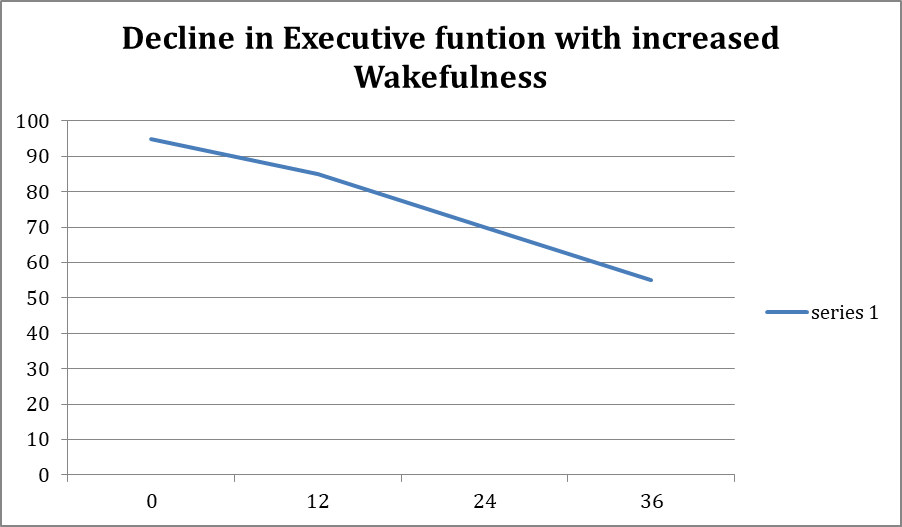
* Progressive decline in EF performance across restricted nights.
* Deficits are stronger for working memory and flexibility; inhibitory control is minimally affected.
Justification addresses real-world patterns of chronic sleep curtailment, not just acute total deprivation.
- Study 3: Countermeasures and Mechanisms
- Design Within-subjects; N ≈ 36.
After 24 h TSD, participants complete three countermeasure conditions in counterbalanced order:
1. Caffeine (200 mg) + quiet rest
2. 20-min nap + placebo capsule
3. Placebo capsule + quiet rest
– Measures EF battery, PVT, KSS, and salivary caffeine verification.
- Hypotheses
* Caffeine will restore vigilance (PVT) and partially improve Stroop, but not higher-load EF.
* Nap will produce broader EF recovery, especially in working memory and flexibility.
* Residual EF deficits despite PVT recovery suggest a mechanism beyond arousal.
Justification Distinguishes between arousal-boosting and restorative mechanisms, with direct translational relevance
- General Discussion
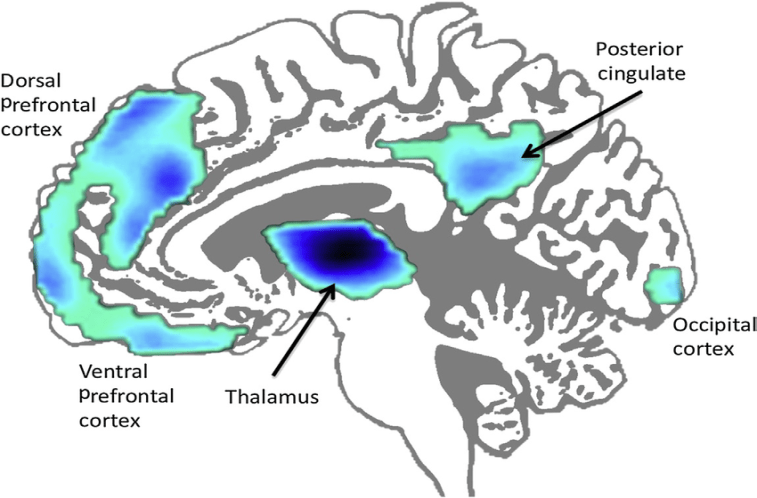
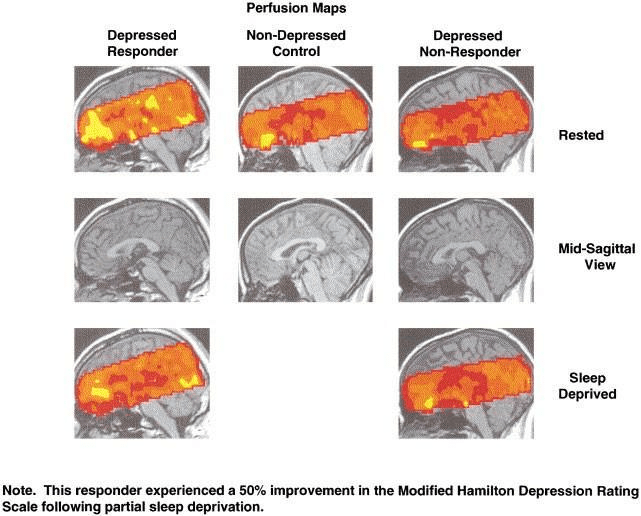
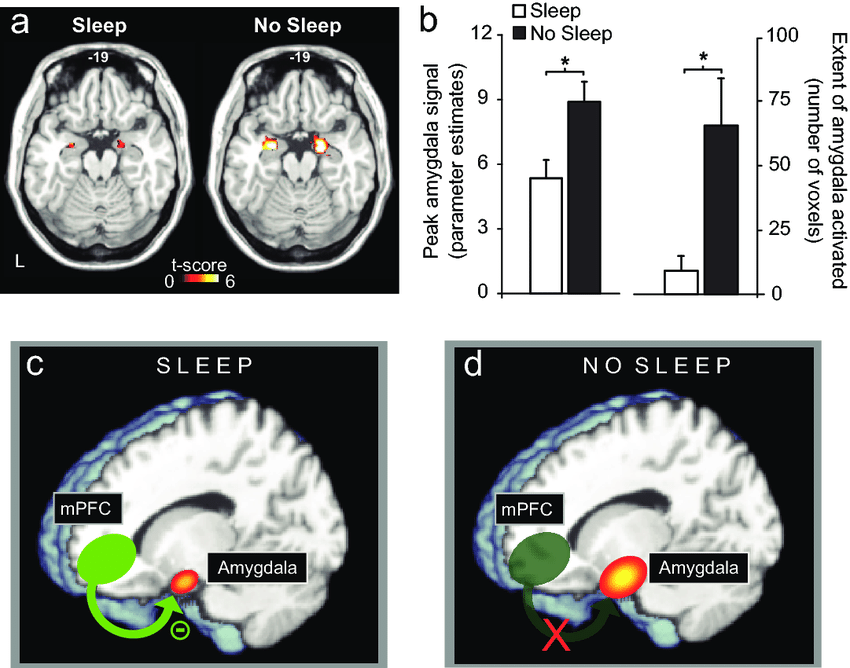
The present work combines preliminary pilot findings with a structured program of future research to investigate the effects of sleep deprivation on executive function. The pilot study (Study 0) provided preliminary evidence that acute total sleep deprivation disproportionately impairs working memory and cognitive flexibility, while exerting more modest effects on inhibitory control. These findings are consistent with the prefrontal cortex vulnerability hypothesis, which argues that higher-order cognitive functions relying on prefrontal networks are among the most sensitive to insufficient sleep (Durmer & Dinges, 2005; Lim & Dinges, 2010).
The proposed three-study program extends these findings in several critical ways.
Study 1 – Aims to strengthen internal validity by controlling for vigilance and arousal. This distinction is crucial because much of the debate in the literature centers on whether EF deficits under sleep deprivation are true, genuine impairments or are merely downstream effects of reduced alertness. By statistically controlling for performance on the Psychomotor Vigilance Task (PVT) and subjective sleepiness measures, Study 1 can clarify whether EF declines persist independently of vigilance loss. If supported, this would provide strong evidence for domain-specific executive impairments, reinforcing theories that emphasize sleep’s restorative role in prefrontal cortical functioning.
Study 2 – Addresses the ecological validity of sleep research. While acute total sleep deprivation paradigms are valuable, they are less representative of everyday life. Many individuals—students, shift workers, medical professionals—are more likely to experience chronic partial sleep restriction rather than an all-nighter. Evidence suggests that cumulative short sleep produces dose–response declines in cognition (Van Dongen et al., 2003; Banks & Dinges, 2007), but its effect on EF specifically is underexplored. By using a crossover design with actigraphic verification, Study 2 tests whether deficits in working memory and cognitive flexibility accumulate over days of restricted sleep. Demonstrating such an effect would highlight the insidious, gradual nature of EF impairment under common lifestyle patterns, underscoring the public health importance of adequate nightly rest.
Study 3 – Advances translational significance by evaluating countermeasures. Caffeine is widely consumed as a quick fix for fatigue, but its efficacy for higher-order cognition remains unclear. By contrast, brief naps may provide more restorative benefits but are less feasible in many contexts. This study not only compares interventions but also tests competing mechanisms: if caffeine restores vigilance but fails to normalize executive performance, while naps improve both, it suggests that EF impairments depend on neural restoration processes rather than mere arousal boosts. Such findings would have broad applications for occupational health policies, military operations, and educational strategies, providing an evidence-based framework for fatigue management.
- Broader Implications
The combined research program has implications across multiple domains. For public safety, impaired executive function among sleep-restricted individuals could contribute to poor decision-making in driving, aviation, or medicine. For education, chronic sleep restriction among adolescents and college students may undermine academic success by weakening working memory and flexibility—skills essential for learning and problem-solving. In workplace settings, understanding which countermeasures preserve EF may guide employer policies on shift scheduling, rest breaks, and fatigue countermeasures.
- Limitations and Future Directions
Several limitations should be acknowledged. The pilot study was constrained by small sample size and a single night of deprivation. Although useful as preliminary evidence, larger and more diverse samples are necessary for generalization. The proposed studies rely primarily on behavioral measures of EF; integrating neuroimaging (e.g., fMRI, EEG) could provide converging evidence for prefrontal cortical vulnerability. Similarly, incorporating biomarkers such as cortisol and melatonin rhythms may shed light on underlying physiological mechanisms. Future work could also examine individual differences—such as chronotype, genetic polymorphisms, or baseline sleep need—that may moderate vulnerability to EF impairment. Finally, cross-cultural investigations could determine whether lifestyle and societal sleep norms influence the severity of deficits.
- Conclusion
In sum, the pilot findings, together with the structured experimental program, provide a comprehensive framework for understanding the effects of sleep deprivation on executive function. By clarifying the specificity of deficits, testing ecologically valid sleep restriction patterns, and evaluating countermeasures, this line of research aims to bridge theoretical neuroscience with applied solutions to a pervasive societal problem.
References
– Anderson, C., & Horne, J. A. (2003). Acute sleep deprivation and executive function: Differential effects of partial and total sleep loss. Sleep, 26(7), 905–911.
– Banks, S., & Dinges, D. F. (2007). Behavioral and physiological consequences of sleep restriction. Journal of Clinical Sleep Medicine ,3(5), 519–528.
– Durmer, J. S., & Dinges, D. F. (2005). Neurocognitive consequences of sleep deprivation. Seminars in Neurology, 25(1), 117–129.
– Lim, J., & Dinges, D. F. (2010). A meta-analysis of the impact of short-term sleep deprivation on cognitive variables. Psychological Bulletin, 136(3), 375–389.
– Van Dongen, H. P. A., Maislin, G., Mullington, J. M., & Dinges, D. F. (2003). The cumulative cost of additional wakefulness: Dose–response effects on neurobehavioral functions and sleep physiology. Sleep, 26(2), 117–126.
 Youth Neuropsychology Society
Leave a comment