
Ebrahim Gilani – gilaniebrahim96@gmail.com
June 18, 2025
Edited by the YNPS Publications Team.
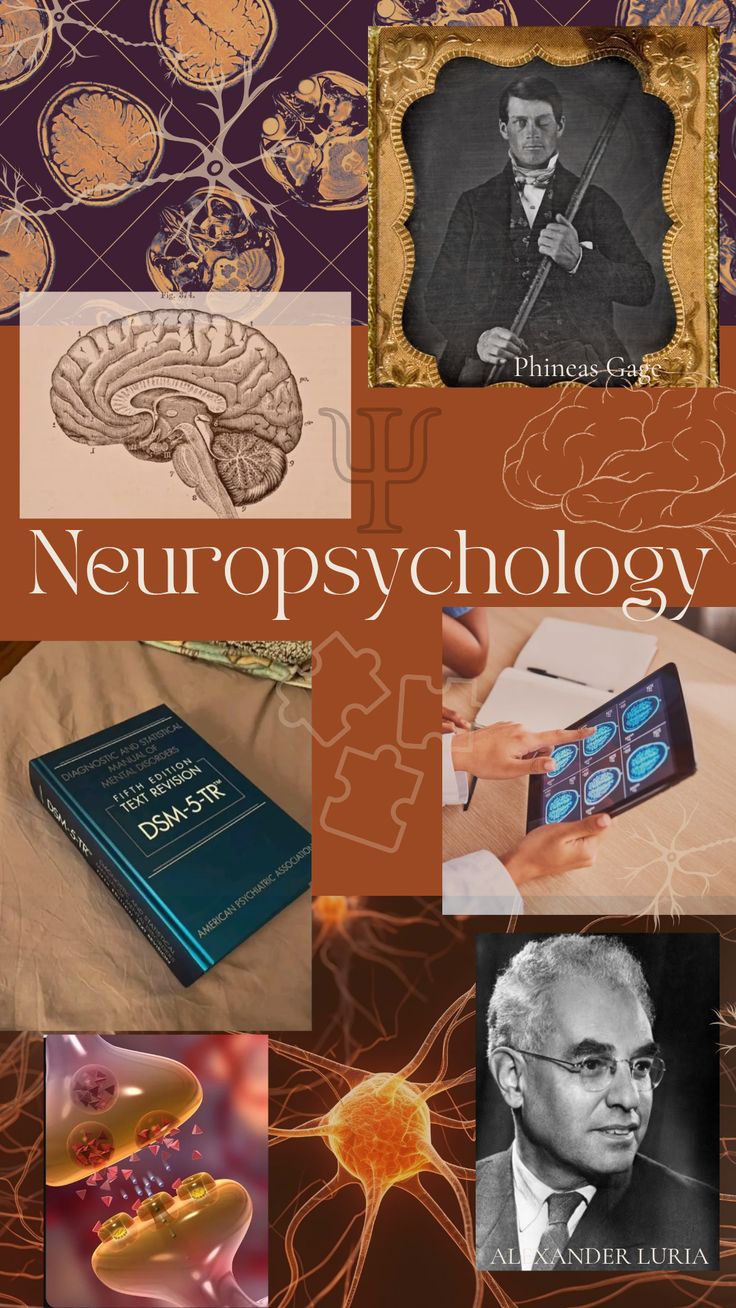
Neuropsychology is a multidisciplinary science dedicated to the study of the interrelationship between brain structure and function, and their influence on human behavior, cognition, and psychological processes. Science draws upon an array of fields of study, including neurology, psychology, neuroanatomy, neurophysiology, neurochemistry, linguistics, and, more recently, artificial intelligence. Researchers and neuropsychologists endeavor to explain the intricate way in which the brain is responsible for cognitive and behavioral consequences, and to use this knowledge in the diagnosis and treatment of cognitive and behavioral disorders associated with neurological disorders.
Historical Evolution of Neuropsychology
The roots of neuropsychology go back to ancient times, when early hypotheses such as phrenology suggested the localization of certain functions in the brain. Through the centuries, such primitive ideas have increased by leaps and bounds, paving the way for more advanced models that view the brain as a network of interdependent regions. Development of neuropsychology as a distinct academic and clinical field accelerated in the late 19th century, largely in the form of breakthroughs in brain science and clinical neurology. Pioneering studies on disorders such as aphasia, amnesia, and dementia have played a crucial role in the development of increased awareness of higher-order brain functions and their relationship with cognitive functions.
Core Function and Methodologies Employed by Neuropsychologists
In both clinical and research environments, neuropsychologists play many important functions. They are charged with the assessment of cognitive functioning, diagnosis of neurological and psychiatric diseases, treatment planning, disease-course monitoring, and provision of expert testimony for legal and forensic evaluation. The instruments they employ are diverse, ranging from standardized neuropsychological tests to sophisticated neuroimaging techniques and network modeling algorithms. Clinical neuropsychologists and cognitive neuropsychologists employ these to study the intersection of brain structure and cognitive function, and to ascertain the presence of diverse cognitive strengths and deficits in a person.
Interdisciplinary Nature of Neuropsychology
Of all the features of neuropsychology, perhaps the most defining is its interdisciplinary approach. It promotes collaboration between scientists and practitioners in other disciplines, such as neurology, psychiatry, occupational therapy, and cognitive science, without sacrificing differences in method and aim. Collaborative research of this sort has generated new insights into the relationship between brain function and behavior that have the effect of underscoring the fact that neurons are parts of intricate information processing systems and not single units. The perspective has wide-ranging implications for the understanding of cognitive processes and mental illness.
Applications in Clinical Practice
In the clinical environment, the provision of neuropsychology’s value lies at the heart of diagnosing and treating neurological conditions. Neuropsychological testing can detect cognitive impairment years before the clinical onset of conditions like dementia, enabling the use of early intervention techniques. Moreover, the tests help discriminate among forms of dementia according to unique profiles of cognition. Application of neuropsychological testing is not limited to adults; it is also applied in pediatric populations, guiding individualized interventions and educational planning. Forensic neuropsychology, the flagship subspecialty, is a growing area of importance, offering expert assessment in legal proceedings and elevating professional practice in legal systems.
Technological Developments and Difficult Questions in Neuropsychology
While medical technology has made dramatic progress, neuropsychology has long been founded on antiquated, often cumbersome methods for gathering data. As a result, there is an increasing need to integrate technology into neuropsychology, leveraging tools as remote testing and passive capture of data methods to increase data richness and availability. The COVID-19 pandemic accelerated the use of telehealth models, particularly in pediatric neuropsychology, and thereby demonstrated the viability of the field to adapt and innovate under challenging circumstances. That said, several challenges remain, including methodological limitations and the availability of validated assessment instruments that are aligned with contemporary cognitive theories, as well as the integration of behavioral and biological markers into neuropsychological practice.
Theoretical and Methodological Advances
The latest developments in network neuropsychology have brought the notions of graph theory and network modelling into play in the examination of neuropsychological test performance. This novel approach has framed cognition as a network of interrelated variables, thus providing a new window into cognitive testing and diagnostic procedures. However, these promising models are not without their difficulties, primarily in the precise definition of cognitive constructs and the need for further testing by specific experimental and theoretical research. Methodology refinement, for instance, the reduction of multicollinearity problems in tests and the congruence of theoretical models and practical instruments, is the challenge to enable the continued usefulness of the discipline.
Future Directions in Neuropsychology
The future of neuropsychology will be determined by a synthesis of technological advancements, more sophisticated assessment tools, and an ongoing focus on interdisciplinary collaboration. Education and training of professionals will involve bridging the gap between conducting research and clinical practice. The promotion of active patient participation in experimental studies and mitigating potential biases that have an impact on clinical outcomes is beneficial for further in-depth research and development of neuropsychology. As neuropsychology evolves to address new challenges facing science and society, it is well placed to further our understanding of the intricate relationship between brain function and behavior and to improve therapeutic outcomes for individuals struggling with neurological and psychological disorders.
Conclusion
In short, neuropsychology is an active, rapidly evolving field that draws knowledge from a wide range of sources to examine the intricate relationships between brain function and behavior. Its development process, basic functions, and continued methodological
refinement attest to its necessary role in clinical practice and research inquiry. With an active engagement of contemporary issues and an adoption of technological innovations, neuropsychology can potentially make a substantive contribution to knowledge of the human mind, ultimately resulting in a betterment of health and well-being.
Works Cited
Careershodh. “The History of Neuropsychology: From Ancient Theories to Modern Insights.” Careershodh, [Publisher], 2025, www.careershodh.com/history-of-neuropsychology/. — This article outlines the roots of neuropsychology in ancient practices (e.g., trepanation), the rise and fall of phrenology (Gall), milestones like Broca and Wernicke, and the evolution toward imaging and cognitive science methods scribd.com+6careershodh.com+6thepsychology.institute+6.
Gall, Franz Joseph. On the Functions of the Brain and of Each of Its Parts. Translated by Lewis Winslow, 1835. — Gall’s original pioneer work in localizing mental faculties on the brain, foundational in the development (and discrediting) of phrenology en.wikipedia.org+1verywellmind.com+1.
McNally, James G., et al. “Network Neuropsychology: The Map and the Territory.” Cortex, vol. 137, 2021, pp. 1–14. — This review introduces modern network neuropsychology, explaining how graph theory and cognitive network modeling are applied to neuropsychological test data pubmed.ncbi.nlm.nih.gov.
Wikipedia contributors. “Paul Broca.” Wikipedia, The Free Encyclopedia, 2025. — Details Broca’s seminal work on aphasia and language localization, including the famous “Tan” patient case and the naming of Broca’s area in the left frontal lobe studylib.net+3en.wikipedia.org+3scribd.com+3.
 Youth Neuropsychology Society
Leave a comment